How to Become a Tattoo Artist and Avoid the Mistakes Most Beginners Make
Becoming a tattoo artist looks simple from the outside, but the reality is very different once you step into the industry. Many new artists don’t even get answers to basic questions when they start, which often leads to confusion, slow progress, and avoidable mistakes.
But don’t worry, that’s exactly why this guide exists on how to become a tattoo artist.
In this guide, we will break down the entire journey in a clear, practical way, from foundational skills to the real steps needed to enter the industry with confidence and direction. We will also clarify what it really takes to become a tattoo artist so you can avoid unrealistic expectations and focus on building the right skills from the start.
What It Really Takes to Become a Tattoo Artist (Beyond Talent)
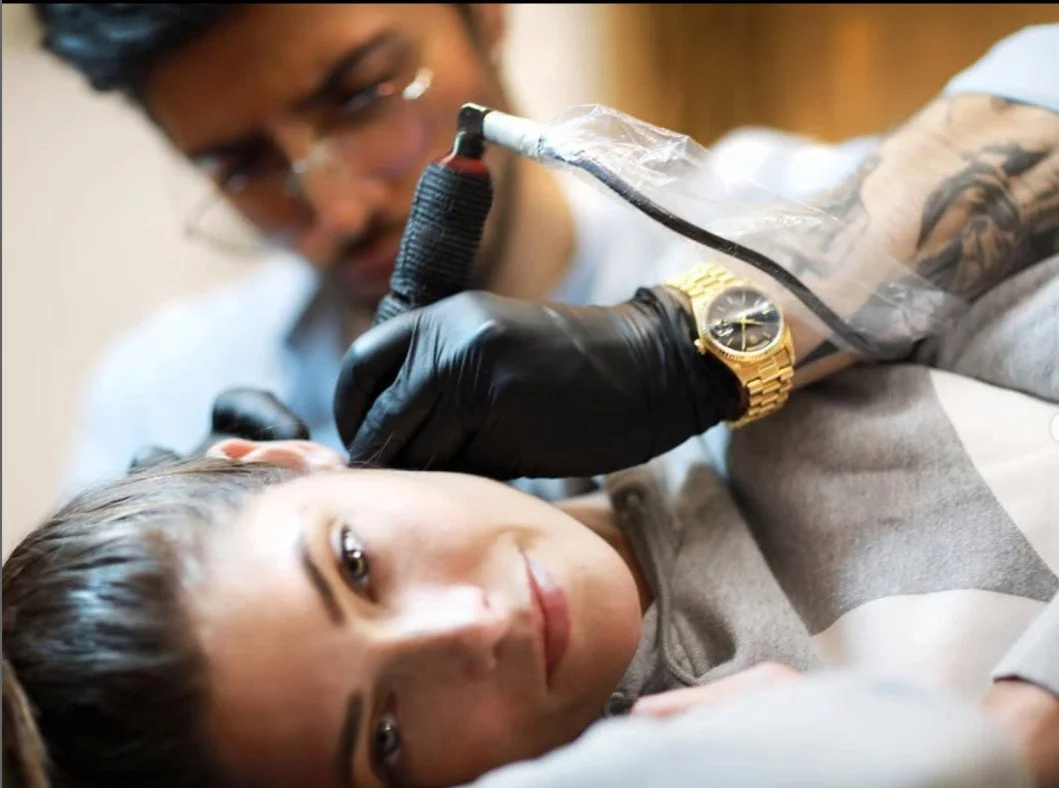
Source: Alessandro Capo
Most people start their tattoo journey thinking that drawing skills are the main requirement. It helps, but it’s only a small part of learning how to become a tattoo artist.
The reality is that tattooing demands a completely different level of consistency, control, and responsibility than most art forms. What separates successful artists from struggling beginners is discipline. You improve by repeating the same basics every day until they become second nature.
There’s also a technical side that beginners often underestimate. Tattooing involves working on living skin, which reacts differently depending on placement, pressure, and technique. This means you’re constantly adjusting in real time, not just drawing on a flat surface.
As an artist, you’re responsible for someone’s body, their trust, and a permanent decision they’ll carry for life. That level of responsibility requires maturity long before you pick up a machine.
How to Become a Tattoo Artist (7 Simple Steps)
Now that you know the real secret of how to become a tattoo artist, it’s time to shift from theory to action. These steps are the practical roadmap that takes you from a complete beginner to someone who can work professionally in a studio.
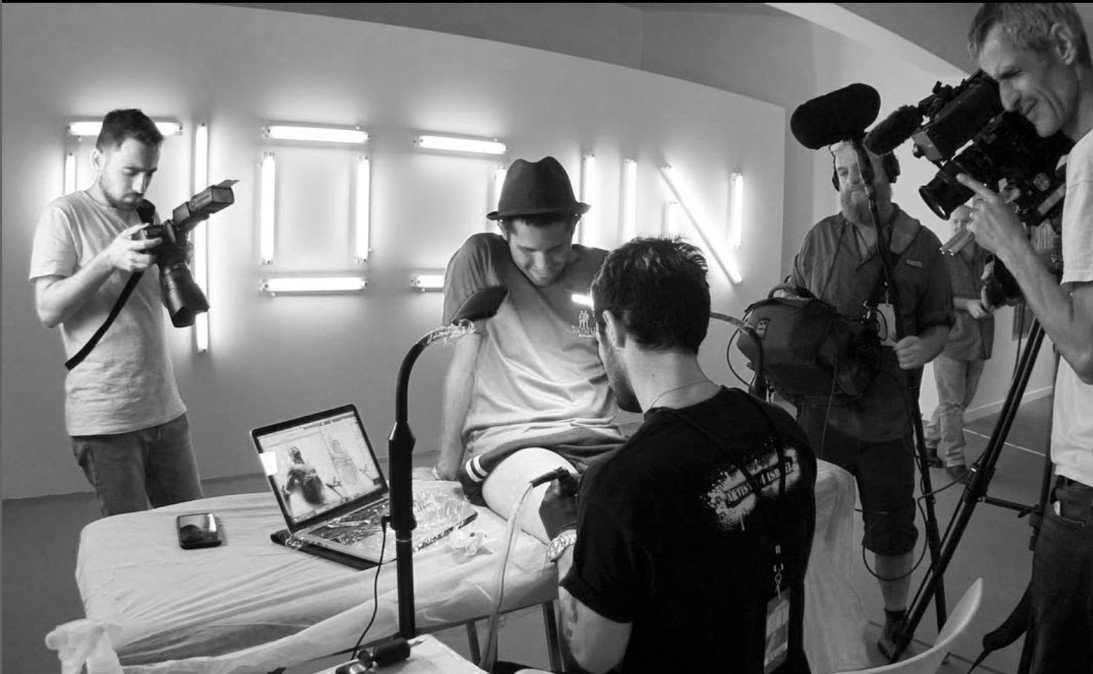
Source: Alessandro Capo
Step 1: Understand What Tattooing Really Involves
Before you ever pick up a machine, you need to understand what the job actually demands. Tattooing isn’t just about creating designs. It’s working on real skin, where every mistake is permanent and stays visible for life.
Every decision carries weight, from line placement to pressure control. Many beginners underestimate this and assume they can “figure it out later,” which usually leads to bad habits that are hard to fix.
It also involves long sessions, client communication, and maintaining strict hygiene standards. Once you see tattooing as a responsibility instead of just an art form, your learning direction becomes much clearer.
Step 2: Build Strong Drawing Skills for Tattooing
Drawing is the foundation of becoming a tattoo artist, but not all drawing skills translate directly into tattooing. You need to focus on clarity, structure, and repeatability over complex illustrations.Instead of practicing overly detailed illustrations early on, prioritize control and structure. Clean line work, smooth curves, and consistent spacing are what actually carry through to real tattoos.
If a design only works because of heavy detail, it won’t translate well onto skin. At a fundamental level, you should be able to draw key tattoo subjects with confidence: script lettering (at least basic level), a simple rose or five-petal flower, and a skull that is either original or a solid variation of a classic.
You should also practice cat heads, lady heads, non-rose flowers, fingerwaves, clouds, and cherry blossoms, including an understanding of cherry blossom clusters.
Tip: If you can’t draw these yet, stay with them longer. Repetition at this stage is what builds real control and directly improves a tattoo artist over time.
Step 3: Create a Tattoo Portfolio That Studios Respect
A tattoo portfolio is proof that you’re ready to be trained. When studios review applicants, they look for control, consistency, and discipline more than “cool ideas.”
Your portfolio should include clean flash sheets, strong line work, and simple but well-structured compositions. Every piece should feel intentional and finished. Avoid rough sketches, half-completed concepts, or experimental work that doesn’t clearly show your ability to control a design.
The goal is to make it immediately clear that you understand fundamentals and can be guided further.
PRO TIP: A strong Instagram portfolio can work alongside your physical portfolio and increase your chances of getting noticed by studios.
Step 4: Learn the Basics of Tattoo Safety and Laws
Understanding safety is non-negotiable when learning how to become a tattoo artist. You are working with blood exposure risk, which means hygiene must always come first.
Learn about sterilization, cross-contamination prevention, and proper equipment handling. These practices protect both you and your clients, and they are strictly enforced in professional studios. On top of that, every region has its own legal requirements. Ignoring licensing rules or health regulations can shut down your career before it even starts.
Step 5: Get a Legitimate Tattoo Apprenticeship
A real apprenticeship is where your learning becomes structured. It ensures you learn directly under experienced professionals who correct your mistakes in real time.
Expect to start with basic tasks like cleaning, setup, and observation. This phase isn’t glamorous, but it builds discipline, responsibility, and an understanding of how a working studio actually runs.
Over time, you’ll gradually move into workflow understanding, client handling, and technical tattoo skills. This stage is one of the most important parts of how to become a tattoo artist properly because it shapes both your habits and your standards early on.
Step 6: Get Licensed and Approved to Tattoo Professionally
Licensing is what turns practice into a legal profession. Without it, you cannot safely or legally work on clients in most places. Requirements vary depending on your location, but they usually include health certifications and compliance with safety standards.
For example, in the United States, this may involve completing a Bloodborne Pathogens (BBP) course, meeting minimum hygiene standards, and applying through a local health department with the required fee and documentation.
You’ll need to complete these before working independently. This step also signals professionalism. Studios and clients trust artists who are fully certified and operating within legal boundaries.
Step 7: Start Tattooing Real Clients Slowly and Responsibly
At this stage, practice ends, and real responsibility begins. You are no longer just drawing or testing techniques, which means every decision matters.
Start with small, simple designs that allow you to focus on control rather than complexity. Early sessions should be about consistency, hygiene, and understanding how skin reacts, not trying to impress with advanced work.
It’s also important to move gradually. Take time to understand client communication, aftercare instructions, and the emotional pressure that comes with permanent work.
Can You Become a Tattoo Artist Without an Apprenticeship?
Technically, yes, you can learn tattooing without a formal tattoo apprenticeship. However, this path is extremely difficult and comes with serious risks.The biggest issue is the lack of correction and structure.
Without a mentor, beginners often develop bad habits in line work, depth control, and hygiene practices that are hard to fix later. More importantly, an apprenticeship exists to prevent mistakes that can permanently affect both your work and your clients. It also gives you real-time feedback in a controlled environment, which self-learning simply cannot replicate with the same level of safety and consistency.
Note: Learning to draw like a tattoo artist doesn’t require an apprenticeship. However, tattooing real people does require proper training and a valid Bloodborne Pathogens (BBP) certification in most regions.
Common Beginner Mistakes to Avoid at Every Step
There are certain mistakes that almost every beginner makes when learning how to become a tattoo artist. These errors can damage your skills, reputation, and even client safety if not corrected early.
Mistake No 1: Rushing the Process
Many beginners try to skip fundamentals and jump straight into tattooing. This usually leads to weak line work, poor control, and frustration. Tattooing requires time, repetition, and patience; speeding through stages only creates long-term problems that are difficult to fix later.
Mistake No 2: Skipping Mentorship
Trying to learn everything alone often slows growth significantly. Without guidance, bad habits go unnoticed and become permanent. A mentor provides correction, structure, and real-world insight that self-learning cannot fully replace, especially in technical and safety-related areas.
Mistake No 3: Ignoring Hygiene and Legal Rules
Overlooking safety standards is one of the most serious beginner errors. Poor hygiene practices can harm clients and end a career before it starts. This usually happens when beginners skip proper tattooing and tattoo aftercare training, or avoid working under a professional where these standards are taught, demonstrated, and enforced correctly.
Mistake No 4: Chasing Trends Instead of Skill
Focusing only on trending styles can limit long-term growth. Trends change quickly, but strong fundamentals always stay relevant. Artists who prioritize skill-building over imitation develop more consistent work and adapt better to different tattoo styles over time.
FAQs
1. How long does it take to become a tattoo artist?
Most beginners need months or years, not weeks. The timeline depends on your drawing skill, portfolio quality, mentor availability, apprenticeship structure, local licensing rules, and how quickly you improve on practice skin before tattooing real clients.
2. What is the biggest mistake beginners make when learning tattooing?
The biggest mistake is tattooing people too early. Beginners often rush past drawing, sanitation, machine control, and practice skin because they want real experience fast. That can lead to bad tattoos, unsafe habits, infections, and damaged trust.
3. Do tattoo artists need a license?
Many places require a tattoo license, registration, infection control course, bloodborne pathogens training, or a health department permit. The exact rules depend on location. For example, New York City requires infection control training before issuing a tattoo artist license.
4. Should beginners buy a cheap tattoo kit?
Cheap tattoo kits are risky because they often encourage unsupervised practice on people before the beginner understands safety or technique. It is better to invest in proper education first, then buy professional equipment recommended by a mentor or licensed artist.
5. What is the difference between tattoo school and an apprenticeship?
Tattoo school usually follows a set course structure, while an apprenticeship is studio-based and taught by a working artist. A school may help with basics, but an apprenticeship usually gives stronger exposure to real clients, shop standards, and day-to-day tattoo culture.
Turn Your Interest in Tattooing Into a Real Skill
Becoming a tattoo artist is about patience, discipline, and learning the craft the right way before mistakes become permanent.
Beginners who succeed long term share three things:
Respect tattooing as a professional trade, not a hobby
Invest time in fundamentals, hygiene, and technique
Learn under structured guidance
If you’re serious about becoming a tattoo artist and want to avoid the common beginner mistakes, professional education matters. That’s where structured training environments like Studio Aureo Academy can make a difference.
Through guided instruction, professional standards, and a clear learning path, the academy helps aspiring artists build real, practical tattooing skills. We are currently offering six different courses designed to take you from zero experience to a working artist with confidence and structure.
Check out our website to explore the courses and see which one best fits your goals and current skill level.